Director’s Personal Liability in Singapore: What Founders Often Miss
One of the most common misconceptions among founders is this:
“Once the company is incorporated, I’m personally protected.”
While incorporation does provide limited liability, it does not shield directors from all personal exposure. In fact, director’s personal liability in Singapore is far broader than many founders realise — especially in areas involving compliance, tax, and governance.
This article explains where personal liability actually arises, why founders often miss it, and what directors should do to protect themselves.
Why This Misunderstanding Is So Common
Many founders:
-
Are focused on growth and operations
-
Rely heavily on accountants or secretaries
-
Assume “the company” bears all responsibility
However, Singapore’s regulatory framework places clear and direct duties on directors, regardless of company size or stage.
In practice, directors are expected to actively oversee compliance, not just sign documents.
What “Limited Liability” Really Means
Limited liability protects shareholders from:
-
Company debts beyond unpaid share capital
It does not protect directors from:
-
Statutory breaches
-
Governance failures
-
Certain tax and regulatory offences
When laws impose duties directly on directors, personal liability applies.
Key Areas Where Directors Face Personal Liability
1️⃣ Statutory Non-Compliance (ACRA Matters)
Directors are personally responsible for ensuring compliance with requirements enforced by the Accounting and Corporate Regulatory Authority.
Common exposure arises from:
-
Late or non-filing of Annual Returns
-
Failure to hold AGMs or maintain registers
-
Incorrect disclosure of officers or shareholders
Even if an accountant or corporate secretary was engaged, directors remain accountable.
2️⃣ Tax Matters and IRAS Enforcement
Many founders assume tax liability sits solely with the company.
However, the Inland Revenue Authority of Singapore can pursue directors personally in certain circumstances, including:
-
Wilful failure to file returns
-
Fraudulent or negligent tax reporting
-
Failure to remit taxes collected (e.g. GST)
Directors who approve or ignore incorrect filings may be exposed.
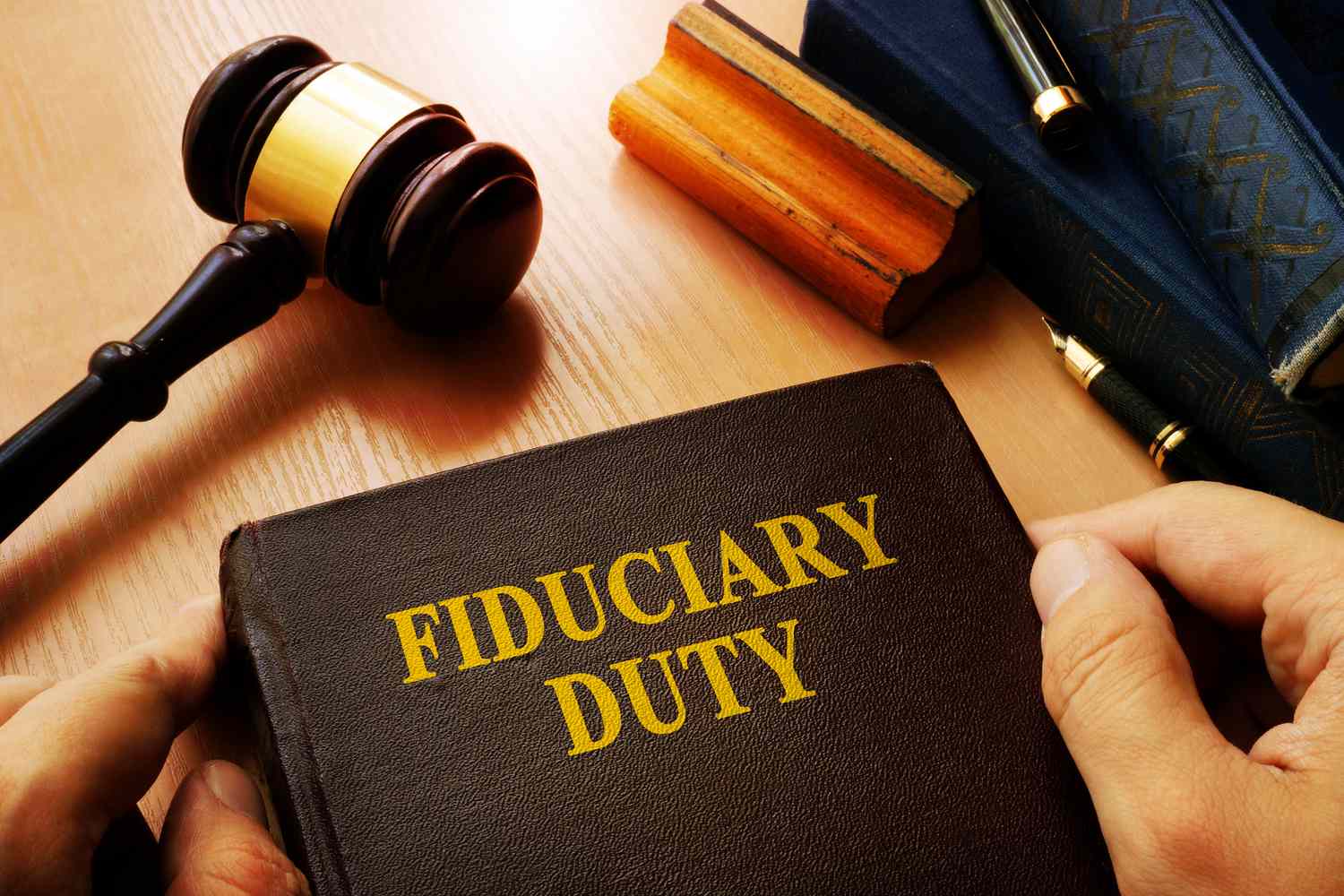
3️⃣ Breach of Fiduciary Duties
Directors owe fiduciary duties to the company, including:
-
Acting honestly and in good faith
-
Exercising reasonable care and diligence
-
Avoiding conflicts of interest
Personal liability can arise when directors:
-
Prefer personal interests over the company
-
Enter related-party transactions improperly
-
Fail to act when aware of wrongdoing
These duties apply even in founder-led SMEs.
4️⃣ Insolvent or Wrongful Trading
One of the most serious risks arises when companies face financial distress.
Directors may be personally liable if they:
-
Continue trading while insolvent
-
Incur debts with no reasonable prospect of repayment
-
Fail to take steps to minimise creditor losses
Singapore law expects directors to act early and responsibly once insolvency risk is apparent.
5️⃣ Employment and CPF-Related Offences
Certain employment obligations carry personal exposure, including:
-
Failure to make CPF contributions
-
Non-compliance with employment regulations
-
Breach of statutory payroll obligations
In some cases, directors may face fines or prosecution, not just the company.
6️⃣ Signing Documents Without Proper Oversight
A common founder mistake is signing:
-
Financial statements
-
Tax returns
-
Resolutions
without fully understanding the contents.
Once signed, directors are generally taken to have approved and accepted responsibility. “I didn’t know” is rarely a defence.
What Founders Often Miss (But Regulators Don’t)
Founders frequently miss that:
-
Delegation does not remove responsibility
-
Silence can be interpreted as consent
-
Repeated non-compliance signals governance failure
-
Small companies are not exempt from enforcement
Regulators expect directors to be engaged and informed, not passive.
Practical Steps Directors Should Take to Protect Themselves
Directors do not need to be accountants or lawyers — but they must be responsible.
Key steps include:
-
Maintaining visibility over compliance deadlines
-
Reviewing key filings before approval
-
Asking questions when numbers or explanations are unclear
-
Ensuring proper advice is obtained for complex matters
-
Acting promptly when issues are identified
Good governance is the best protection.
A Simple Self-Assessment for Directors
Ask yourself:
-
Do I know what filings are due this year?
-
Have I reviewed the financial statements I signed?
-
Are tax filings consistent with accounts?
-
Are related-party transactions properly documented?
-
Would I be comfortable explaining our compliance to a regulator?
If any answer is uncertain, personal risk exists.
Personal Liability Is Not About Punishment — It’s About Accountability
Singapore’s framework is not designed to punish honest directors. It is designed to ensure:
-
Accountability
-
Transparency
-
Responsible business conduct
Directors who act diligently, seek advice, and address issues early rarely face serious consequences.
Final Thoughts
Director’s personal liability in Singapore is broader than many founders expect — but it is also manageable with awareness and discipline.
The biggest risk is not making mistakes.
The biggest risk is ignoring responsibilities.
Founders who understand their duties early protect not just their companies, but also their own reputations and futures.
How uSafe Can Help
uSafe supports directors and founders with:
-
Compliance health checks
-
Director responsibility briefings
-
Remediation of overdue filings
-
Ongoing governance support
If you are unsure where your personal exposure may lie, a short review now can prevent serious issues later.



 English
  Chinese