Intangible Assets: Why They Are Becoming More Valuable Than Physical Assets
The global economy is changing rapidly. In the past, businesses created value mainly through tangible assets such as land, buildings, machinery, vehicles, and inventory. Today, however, many successful companies generate their competitive advantage from intangible assets.
The growing importance of intangible assets reflects the shift towards a digital and knowledge-based economy. One contributing factor is that governments can generally identify, regulate, and tax tangible assets more easily than intangible or decentralised assets. Consequently, businesses increasingly invest in intellectual property, software, digital assets, artificial intelligence, and blockchain technologies to drive long-term growth.
What Are Intangible Assets?
Intangible assets are non-physical resources that create economic value for a business. Although they cannot be touched or seen like buildings or machinery, they often represent some of a company’s most valuable assets.
Common examples include:
- Intellectual property
- Patents
- Trademarks
- Copyrights
- Brand reputation
- Software
- Customer databases
- Proprietary technology
- Artificial intelligence models
- Licences and franchises
Unlike physical assets, intangible assets often appreciate in value as businesses continue to innovate and expand.
The Shift from Tangible Assets to Intangible Assets
Historically, businesses relied heavily on physical assets to produce goods and services. Manufacturing companies invested in factories, machinery, and inventory because these assets directly supported production.
Today, the business landscape looks very different. Many of the world’s largest companies derive a substantial portion of their value from intangible assets rather than physical infrastructure.
For example, software companies depend on proprietary platforms, while technology firms build value through algorithms, data, and intellectual property. Likewise, global brands benefit from customer trust and brand recognition that cannot be measured solely by physical assets.
As a result, intangible assets have become major drivers of business growth and enterprise value.
The Rise of Decentralised Assets
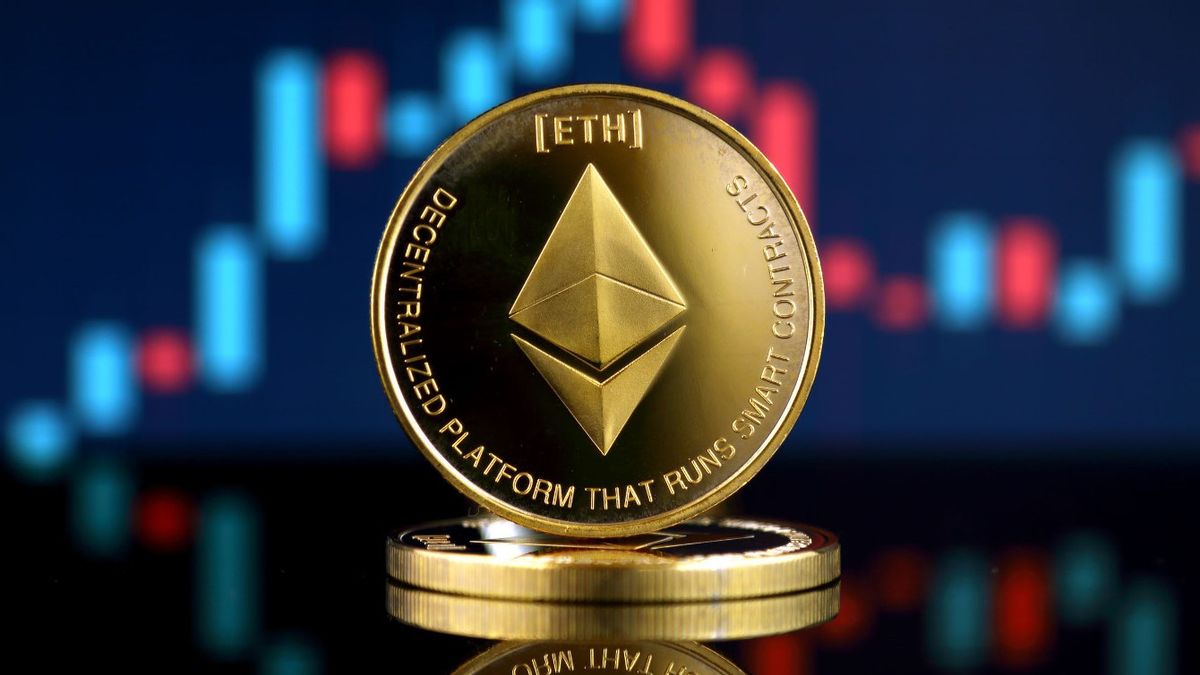
Alongside intangible assets, decentralised assets have also gained significant attention.
These assets include:
- Cryptocurrencies
- Digital tokens
- Tokenised real-world assets
- Decentralised Finance (DeFi) platforms
- Non-Fungible Tokens (NFTs)
- Blockchain-based digital assets
Instead of relying on traditional financial institutions, blockchain technology records and verifies these assets through decentralised networks. Consequently, ownership and transactions often operate differently from conventional financial systems.
Although decentralised assets create new investment opportunities, they also introduce additional legal, accounting, and tax considerations.
Why Governments Are Paying More Attention
Governments have long-established systems for identifying and taxing physical assets such as property, vehicles, and inventory. These assets are relatively easy to value and regulate.
However, intangible assets and decentralised assets present more complex challenges.
For example, authorities may need to determine:
- Who owns the asset
- How the asset should be valued
- Which country has taxing rights
- How cross-border transactions should be treated
- How digital asset transfers should be monitored
Therefore, governments around the world continue strengthening legislation, reporting requirements, and international cooperation to improve transparency in the digital economy.
Why Businesses Should Invest in Intangible Assets
Intangible assets now play an essential role in building sustainable competitive advantages.
Businesses that invest in innovation often benefit from:
- Higher business valuations
- Stronger brand recognition
- Greater customer loyalty
- Improved operational efficiency
- Better scalability
- Increased profitability
Furthermore, intangible assets often generate recurring value without requiring significant physical expansion.
For this reason, many businesses allocate increasing resources to research, technology, software development, and intellectual property protection.
Managing Intangible Assets Effectively
Owning valuable intangible assets is only the first step. Businesses must also manage them properly.
Good management includes:
- Registering intellectual property rights
- Protecting confidential information
- Maintaining proper valuation records
- Reviewing ownership structures
- Understanding the related tax implications
- Implementing appropriate governance policies
Moreover, businesses should regularly review their intangible asset portfolio to ensure it continues supporting their long-term objectives.
Looking Ahead
Digital transformation continues reshaping the global economy. Consequently, intangible assets will become even more important in the years ahead.
Artificial intelligence, cloud computing, blockchain technology, and digital platforms are changing how businesses operate and compete. At the same time, governments continue modernising their regulatory and tax frameworks to keep pace with technological innovation.
Therefore, organisations that understand and manage intangible assets effectively will be better positioned to adapt to future economic developments.
Conclusion
Ultimately, the future of business will depend less on physical assets and more on knowledge, innovation, technology, and intellectual property. Although tangible assets remain important, intangible assets increasingly drive business performance, enterprise value, and long-term competitiveness.
Businesses should therefore recognise the strategic importance of intangible assets and develop appropriate governance, accounting, and tax strategies to maximise their value. By investing in innovation today, organisations can build stronger foundations for sustainable growth in tomorrow’s digital economy.
Sources: https://www.blockchain-council.org/

 English
  Chinese