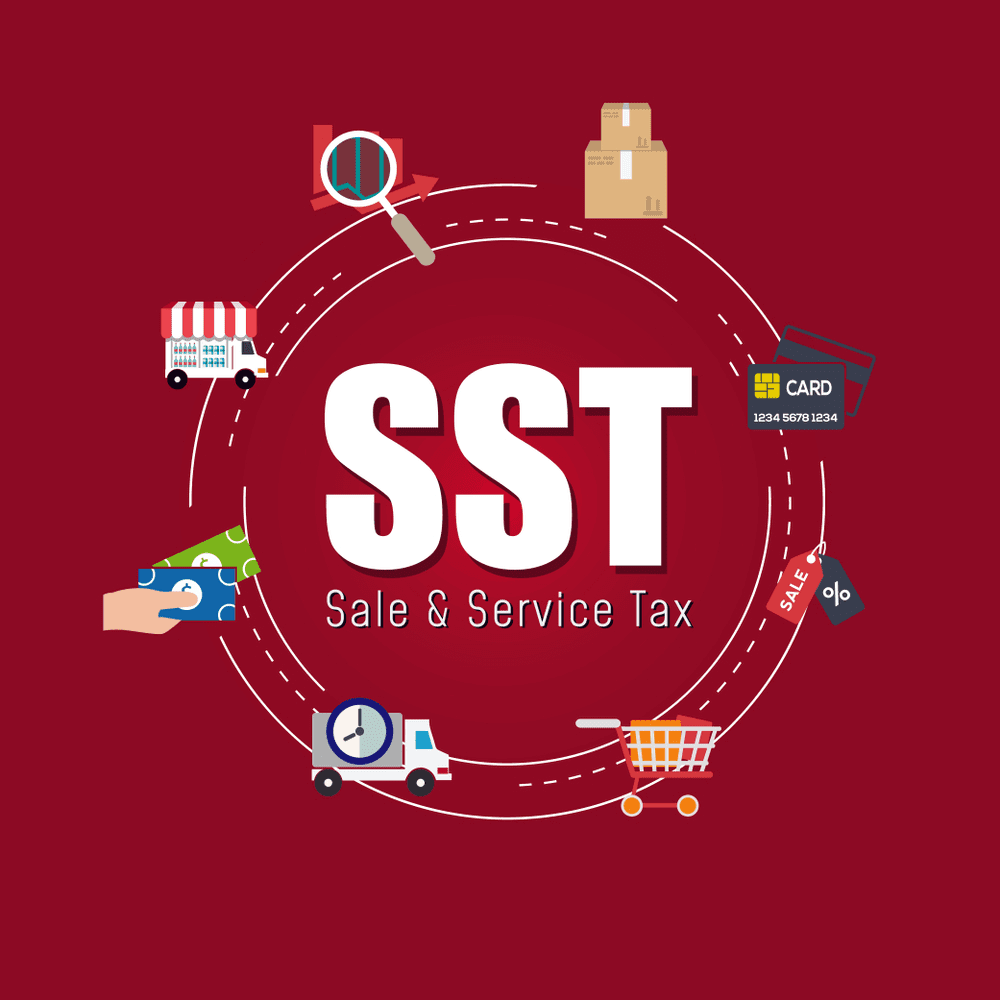
Malaysia has rolled out new updates to the Sales and Service Tax (SST) framework, effective 1 January 2026. These changes aim to support MSMEs, reduce cost burdens for rental-related services, and offer continued relief for certain construction contracts. The adjustments also align with the broader SST expansion implemented in mid‑2025. Here’s a breakdown of the key highlights.
1. Lower SST on Rental and Leasing Services
The service tax rate on rental and leasing services — including industrial rentals — has been reduced from 8% to 6%. This applies from 1 January 2026 and offers some relief to businesses facing rising operating costs.
In addition, the annual sales threshold for MSME exemption has increased from RM1 million to RM1.5 million, helping more small businesses qualify. New MSMEs also benefit from a one‑year exemption, starting from their registration date with the relevant government agency.
These changes aim to improve cash flow and ease compliance for businesses renting equipment or premises, especially startups and SMEs.
2. Extended SST Exemption for Construction Contracts
For construction contracts signed before 1 July 2025, where no review clauses exist, the service tax exemption is now extended until 30 June 2027.
This extension provides much‑needed continuity for contractors and developers working on long‑term projects. Religious buildings such as mosques, churches, and temples continue to enjoy service tax exemption under previous policies.
3. Broader SST Scope Introduced in 2025 Continues
The mid‑2025 SST expansion brought more services into the tax net — and this expanded coverage remains in force.
Services such as education, private healthcare, hospitality, rental, and construction now fall under SST, with tax rates varying by category. Sales tax of 5% or 10% still applies to many goods, while essential items like basic food and medicine remain exempt.
Although these changes began earlier, compliance obligations continue into 2026, meaning affected businesses must stay updated.
4. Impact on Different Business Segments
For MSMEs and Small Businesses:
With the exemption threshold now at RM1.5 million, more businesses can benefit from SST relief. The reduced 6% rate on rental services also lowers operational costs.
For Construction & Property Sectors:
Projects under legacy contracts signed before July 2025 now enjoy extended tax exemption until mid‑2027, helping manage financial planning for long-term developments.
For Service-Based Industries:
Education providers, healthcare businesses, and other newly taxable service sectors must review SST registration and ensure compliance across all offerings.
For Traders of Goods:
The existing sales tax regime continues, so pricing and invoicing systems must reflect the applicable rates (5% or 10%) depending on product type.
5. What You Should Do Next
To adapt to the updated SST framework, businesses should:
-
Review rental and leasing agreements to determine eligibility for reduced rates or MSME exemptions.
-
Recheck construction contracts for qualifying terms if signed before 1 July 2025.
-
Ensure SST registration is up to date, especially if your business crossed new thresholds or entered newly taxable sectors.
-
Update accounting or ERP systems with correct SST rates and exemptions to avoid compliance issues.
Summary Table – Key SST Updates (2026)
| Change | Effective Date | Details |
|---|---|---|
| Rental/Leasing SST rate cut | 1 Jan 2026 | From 8% → 6% |
| MSME SST exemption threshold | 1 Jan 2026 | Increased to RM1.5m |
| Construction SST exemption | Until 30 Jun 2027 | Applies to pre‑July 2025 contracts |
| Expanded SST services | From 1 Jul 2025 | Ongoing |
| Sales tax on goods | Ongoing | 5% or 10% |
Final Thoughts
These changes reflect Malaysia’s continued effort to balance fiscal needs with business support, especially for SMEs and contractors. Whether you lease assets, run a construction firm, or operate in a newly taxed service sector, staying on top of SST developments will help you avoid costly surprises.
Now’s the time to review your contracts, tax thresholds, and systems — and seek professional advice if you’re unsure how the changes apply to your business.
Disclaimer: This article is for informational purposes only and does not constitute tax or legal advice. For specific guidance on your SST obligations or compliance planning, engage a qualified tax advisor or indirect tax specialist.


 English
  Chinese