Audit Firm in Singapore: A Complete Guide for Businesses
Choosing the right audit firm in Singapore is an important decision for businesses of all sizes. A professional audit firm does more than review financial statements. It helps companies meet statutory requirements, strengthen financial controls, identify potential risks, and improve confidence among shareholders, investors, and business partners.
For companies operating in Singapore, understanding how auditing works and when an audit is required can help business owners prepare properly and avoid unnecessary compliance issues.
What Is an Audit Firm in Singapore?
An audit firm is a professional organisation that provides independent auditing and assurance services to companies. Its main responsibility is to examine a company’s financial statements and determine whether they are prepared fairly and in accordance with the applicable accounting standards and legal requirements.
In Singapore, companies that are required to have their financial statements audited generally need to appoint an auditor in accordance with the requirements of the Companies Act.
A qualified audit firm may provide services such as:
- Statutory audit
- Financial statement audit
- Internal control assessment
- Risk assessment
- Compliance-related assurance
- Group and consolidated financial statement audits
- Audit support for SMEs
- Due diligence and other assurance services
Does Every Company in Singapore Need an Audit?
Not every Singapore company is required to undergo an annual statutory audit.
Singapore provides an audit exemption for certain small companies that meet the applicable criteria. Therefore, companies should assess their financial and corporate circumstances carefully to determine whether an audit is required.
The audit requirement can depend on factors such as:
- Company size
- Revenue
- Total assets
- Group structure
- Whether the company is part of a larger corporate group
- Applicable statutory requirements
Because circumstances can change from year to year, businesses should review their audit obligations regularly.
Why Do Businesses Need an Audit Firm?
An independent audit provides more than regulatory compliance.
1. Regulatory Compliance
A professional audit firm helps businesses meet applicable statutory and financial reporting requirements. Proper compliance can reduce the risk of delays, errors, and regulatory problems.
2. Greater Financial Transparency
An audit provides an independent examination of financial information. This can increase confidence among shareholders, directors, investors, lenders, and other stakeholders.
3. Identifying Financial Risks
During an audit, auditors assess areas where financial statements may contain material misstatements. They may also identify weaknesses in accounting processes and internal controls.
4. Improving Internal Controls
Audit findings can help management understand where financial procedures could be improved.
For example, an audit may highlight weaknesses involving:
- Cash management
- Accounts receivable
- Inventory
- Expense approvals
- Revenue recognition
- Financial reporting
- Segregation of duties
5. Supporting Business Growth
As a company grows, its accounting and financial reporting requirements often become more complex. Working with an experienced audit firm can help management establish stronger financial processes for future growth.
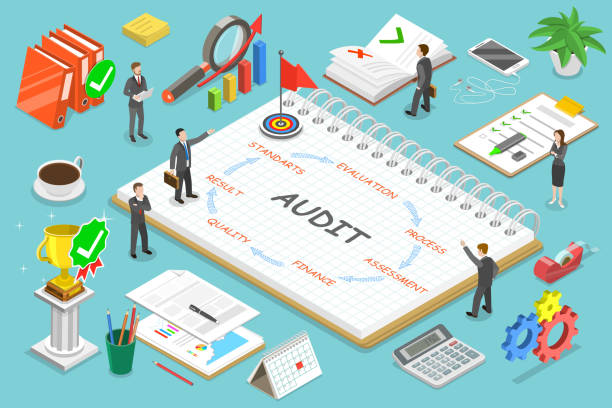
How Does the Audit Process Work in Singapore?
Although the exact process depends on the company and its circumstances, a typical audit can involve several stages.
Step 1: Initial Planning
The auditor obtains an understanding of the company, its business activities, financial reporting framework, and key risks.
Step 2: Risk Assessment
The audit team identifies areas where there may be a higher risk of material misstatement.
Step 3: Reviewing Internal Controls
Auditors may evaluate relevant internal controls and accounting procedures to understand how financial information is generated and managed.
Step 4: Testing Financial Information
The audit team performs procedures on selected transactions, balances, and supporting documentation.
This may include testing:
- Revenue
- Expenses
- Bank balances
- Accounts receivable
- Accounts payable
- Inventory
- Fixed assets
- Loans
- Related-party transactions
Step 5: Financial Statement Review
The auditor evaluates whether the financial statements are prepared appropriately and whether they comply with the applicable financial reporting framework.
Step 6: Audit Opinion
After completing the necessary procedures, the auditor issues an audit report containing an audit opinion on the financial statements.
How Much Does an Audit Firm in Singapore Cost?
Audit fees vary considerably depending on the company.
There is no single standard audit fee for every business because the amount of work required can differ significantly.
Factors that may influence audit fees include:
- Annual revenue
- Number of transactions
- Total assets
- Number of subsidiaries
- Complexity of the business
- Industry
- Accounting systems
- Quality of accounting records
- Internal control environment
- Reporting requirements
- Audit timeline
A small and straightforward SME may require significantly less audit work than a large company with multiple subsidiaries and complex transactions.
Therefore, businesses should request a detailed quotation from an audit firm based on their actual circumstances.
How to Choose the Right Audit Firm in Singapore
Selecting an audit firm should not be based solely on price.
Businesses should consider several factors.
Professional Experience
Look for an audit firm with experience working with companies of similar size and complexity.
Industry Knowledge
An auditor familiar with your industry may better understand the risks and accounting issues relevant to your business.
Professional Qualifications
Consider the firm’s professional qualifications, regulatory standing, and experience of the engagement team.
Communication
Good communication is important throughout the audit process. The audit team should be able to explain issues clearly and communicate requests efficiently.
Technology and Audit Approach
Modern audit firms may use technology and data analysis to improve the efficiency and quality of audit procedures.
Fees and Value
Audit fees are important, but businesses should consider the overall value of the service rather than selecting the cheapest provider.
Audit Firm vs Accounting Firm: What Is the Difference?
An accounting firm generally focuses on preparing and maintaining financial records, while an audit firm independently examines financial statements.
For example:
Accounting services may include:
- Bookkeeping
- Payroll
- Preparation of financial statements
- Tax-related services
- Management accounts
Audit services may include:
- Independent examination of financial statements
- Audit risk assessment
- Testing transactions and balances
- Evaluation of relevant internal controls
- Issuing an independent audit report
Maintaining appropriate independence between accounting and audit responsibilities is an important consideration when engaging professional firms.
How Can a Company Prepare for an Audit?
Good preparation can make the audit process more efficient.
Businesses should ensure that important accounting records and supporting documents are organised before the audit begins.
Common documents may include:
- Financial statements
- General ledger
- Trial balance
- Bank statements
- Bank reconciliations
- Sales invoices
- Purchase invoices
- Payroll records
- Fixed asset schedules
- Loan agreements
- Contracts
- Tax-related documents
- Supporting documents for significant transactions
Companies should also respond promptly to auditor requests and explain unusual transactions or significant changes during the financial year.
Common Audit Problems Businesses Should Avoid
Some issues can make an audit more complicated and time-consuming.
Common problems include:
- Incomplete accounting records
- Missing supporting documents
- Unreconciled bank accounts
- Incorrect revenue recognition
- Poor inventory records
- Unrecorded liabilities
- Weak internal controls
- Related-party transactions that are not properly documented
- Late preparation of financial statements
- Poor communication between management and the audit team
Addressing these issues before the audit can help reduce delays and improve the overall audit process.
Why Choose a Professional Audit Firm in Singapore?
Singapore is an international business and financial hub with companies ranging from small local businesses to multinational groups.
A professional audit firm can help businesses navigate financial reporting and audit requirements while providing an independent perspective on their financial information.
For growing companies, the right audit partner can become a valuable part of the company’s broader financial and governance framework.
Final Thoughts
Choosing the right audit firm in Singapore is an important step in maintaining financial transparency, regulatory compliance, and stakeholder confidence.
Businesses should consider more than audit fees when selecting an auditor. Professional experience, industry knowledge, communication, audit methodology, independence, and service quality are all important factors.
Whether you operate a Singapore SME, a growing local company, or a foreign-owned business, understanding your audit obligations and preparing your financial records properly can make the audit process more efficient and effective.
A reliable audit firm can provide not only an independent audit opinion but also valuable insights that help businesses strengthen financial processes and support sustainable growth.



 English
  Chinese