Hong Kong Accounting: Compliance and Business Guide 2026
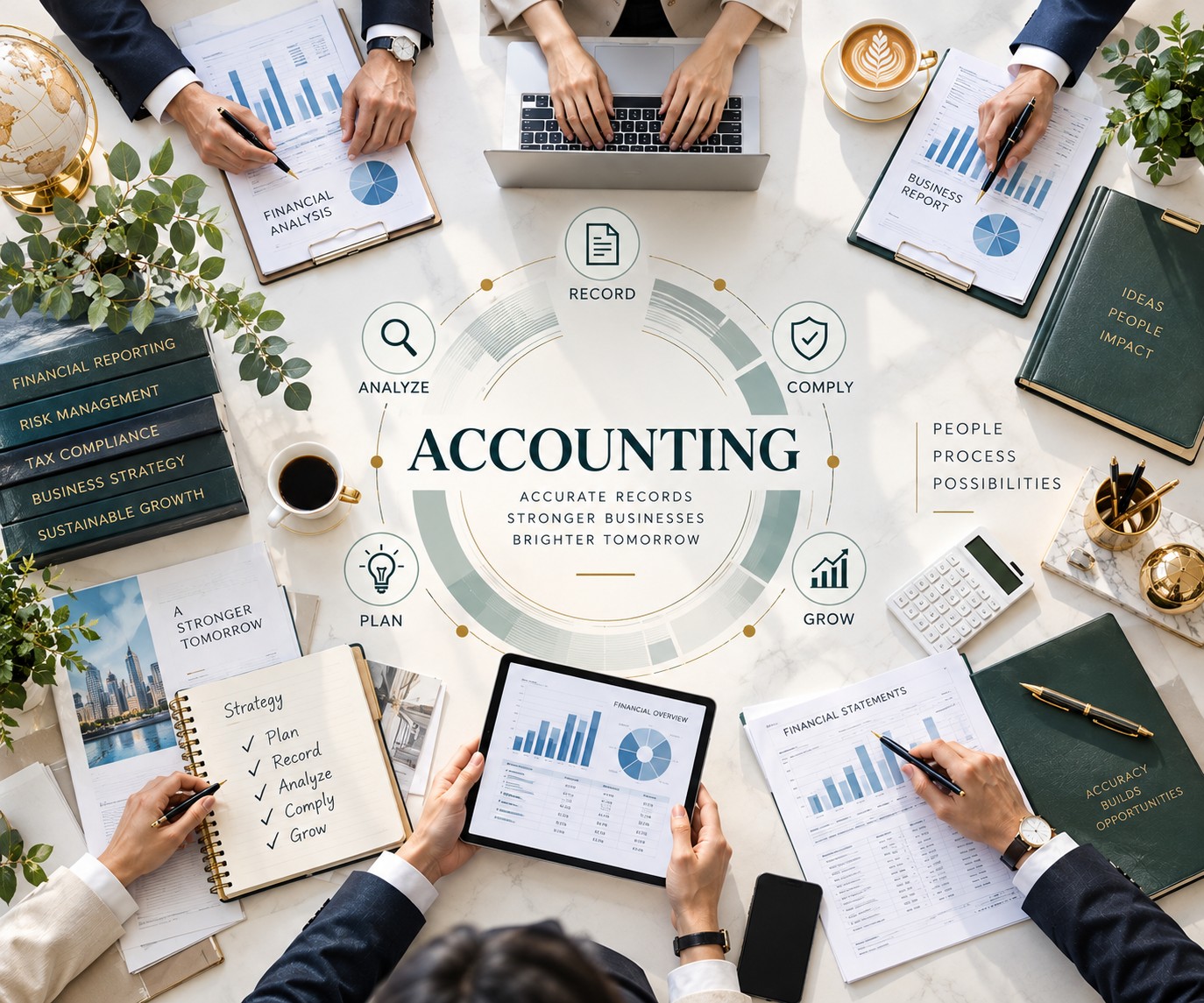
Hong Kong accounting plays an important role in maintaining accurate financial records, preparing tax information, and supporting ongoing business compliance. For companies operating in Hong Kong, a structured accounting process can also improve financial visibility and make day-to-day management easier.
For regional businesses, effective Hong Kong accounting becomes even more important when transactions involve Singapore, Malaysia, Vietnam, or other Asian markets.
This guide explains the main accounting, tax, and compliance considerations businesses should understand in 2026.
Why Hong Kong Accounting Matters
Good accounting is more than recording income and expenses.
A reliable accounting system helps businesses monitor:
- Revenue and operating expenses
- Accounts receivable
- Accounts payable
- Bank transactions
- 工资单
- Fixed assets
- Loans and financing
- Intercompany transactions
- Tax-related information
- Financial performance
Furthermore, accurate records can make financial reporting and tax preparation more efficient.
Businesses expanding across Asia can also benefit from standardized accounting procedures. Different currencies, reporting requirements, and transaction structures can otherwise make regional financial management more complicated.
Hong Kong Business Registration
Businesses operating in Hong Kong should understand their Business Registration obligations.
The Hong Kong Inland Revenue Department administers the Business Registration Ordinance. The registration framework covers various forms of business activity, including trade, commerce and professional activities. Certain non-Hong Kong businesses may also have registration obligations depending on their activities in Hong Kong.
Businesses should therefore review their registration status and keep relevant information up to date.
For official guidance, businesses can refer to the Hong Kong Inland Revenue Department.
Maintaining Accounting Records
Maintaining organized financial records is an important part of effective Hong Kong accounting.
Businesses should establish a consistent process for recording financial transactions and retaining supporting documents.
Typical accounting records may include:
- Sales invoices
- Purchase invoices
- Receipts
- Bank statements
- Payroll records
- Expense documentation
- Contracts
- Loan records
- Intercompany documents
- Tax correspondence
Keeping these records organized can reduce the time required for reconciliation and financial reporting.
For businesses that want to improve their accounting workflow, uSafe accounting and bookkeeping services include routine data entry, reporting, financial report preparation, and XBRL conversion.
Hong Kong Profits Tax
Hong Kong applies Profits Tax to assessable profits arising in or derived from Hong Kong from a trade, profession, or business, subject to the applicable rules.
For corporations, the standard Profits Tax rate is 16.5%.
Under the two-tiered profits tax regime, qualifying corporations may generally apply an 8.25% rate to the first HK$2 million of assessable profits. Profits above that amount are generally subject to the 16.5% rate.
The applicable treatment depends on the company’s circumstances. Therefore, businesses should review their activities and transactions carefully rather than assuming that the same tax treatment applies to every company.
Tax Filing and Financial Information
Tax filing requires businesses to have reliable financial information.
Before preparing a Profits Tax Return, companies should review their accounting records and supporting documentation.
A practical process can include:
- Reconciling bank accounts
- Reviewing sales and expenses
- Checking accounts receivable
- Checking accounts payable
- Reviewing fixed assets
- Reconciling intercompany balances
- Reviewing tax adjustments
- Preparing financial statements
- Completing the relevant tax documentation
This process can make tax preparation more organized and help identify accounting discrepancies before filing.
Corporate Compliance in Hong Kong
Accounting is only one part of corporate administration.
Companies may also need to monitor:
- Annual return requirements
- Changes to directors
- Changes to shareholders
- Registered office information
- Company secretary information
- Statutory records
- Corporate filings
- Business registration matters
The Hong Kong Companies Registry provides information and electronic services relating to company filings and corporate records.
Consequently, businesses should maintain a compliance calendar and review important obligations throughout the year.
Accounting Challenges for Regional Businesses
Companies operating across Asia may face additional accounting challenges.
Multiple Currencies
A regional business may receive revenue in Hong Kong dollars while paying suppliers in Singapore dollars, Malaysian ringgit, Vietnamese dong, or other currencies.
Therefore, businesses should establish consistent procedures for recording and reconciling foreign-currency transactions.
Intercompany Transactions
Group companies may transfer funds, share expenses, or provide services to one another.
These transactions should be recorded consistently so that balances can be reconciled between entities.
Different Reporting Requirements
Each jurisdiction can have its own accounting, tax, and corporate compliance requirements.
As a result, regional businesses need a clear system for separating local obligations while maintaining consistent group-level financial information.
Cash Flow Management
A profitable company can still experience cash-flow pressure when customers pay late or major expenses become due.
Regular monitoring of receivables, payables, and bank balances can give management a clearer view of available cash.
A Practical Accounting Workflow
A simple monthly process can improve financial visibility.
Step 1: Collect Documents
Gather invoices, receipts, bank statements, payroll records, and other financial documents.
Step 2: Record Transactions
Record revenue, expenses, assets, liabilities, and other transactions using consistent accounting categories.
Step 3: Reconcile Bank Accounts
Compare accounting records with bank statements and investigate differences.
Step 4: Review Receivables
Identify overdue invoices and monitor customer payment schedules.
Step 5: Review Payables
Check supplier balances and upcoming payment obligations.
Step 6: Reconcile Intercompany Accounts
Compare transactions and balances between related companies.
Step 7: Prepare Management Reports
Review revenue, expenses, cash flow, and profitability.
Step 8: Prepare for Tax and Compliance
Keep supporting information organized for tax returns and other regulatory requirements.
Hong Kong Accounting Checklist for 2026
| Area | What to Monitor |
|---|---|
| Accounting records | Accurate and complete financial information |
| Bank reconciliation | Regular reconciliation |
| Receivables | Outstanding customer balances |
| Payables | Supplier obligations |
| 工资单 | Salary and related records |
| Tax | Profits Tax information |
| Financial statements | Preparation and review |
| Business registration | Registration information |
| Corporate filings | Required company documents |
| Intercompany accounts | Group transactions and balances |
| Supporting documents | Invoices, receipts and contracts |
This checklist provides a general framework. The exact obligations can vary according to the company’s structure and activities.
How uSafe Supports Businesses
Managing accounting and compliance can become more complicated as a business expands.
uSafe provides professional services across Singapore, Malaysia, Vietnam, and Hong Kong, supporting businesses with accounting, taxation, audit, corporate secretarial services, payroll, and business support.
Businesses can also explore uSafe’s full range of professional services to find support relevant to their operations.
For companies managing operations across several Asian markets, connecting accounting information with broader financial management can improve visibility and reduce administrative complexity.
Frequently Asked Questions
What is Hong Kong accounting?
Hong Kong accounting refers to the process of recording, organizing, reconciling, and reporting financial transactions for businesses operating in Hong Kong.
What accounting records should a Hong Kong business maintain?
Businesses should maintain appropriate financial records and supporting documentation, such as invoices, receipts, bank statements, payroll records, contracts, and other transaction-related documents.
What is the Hong Kong Profits Tax rate?
The standard Profits Tax rate for corporations is 16.5%. Qualifying corporations may generally benefit from the two-tiered regime, with an 8.25% rate applying to the first HK$2 million of assessable profits.
Does Hong Kong have corporate filing requirements?
Yes. Companies may have ongoing filing and corporate administration obligations, depending on their structure and circumstances.
Why is accounting important for regional businesses?
Accounting helps management understand revenue, expenses, cash flow, receivables, payables, and intercompany transactions. This becomes particularly important when a business operates across several Asian markets.
Conclusion
Hong Kong accounting is an important part of financial management and ongoing corporate administration.
By maintaining accurate records, reconciling financial information regularly, monitoring tax obligations, and organizing corporate documents, businesses can create a more reliable financial foundation.
For companies operating across Asia, a structured accounting process can also connect Hong Kong operations with wider regional finance management.
With the right accounting workflow and professional support, businesses can spend less time dealing with administrative complexity and more time focusing on their operations and growth.


 Chinese
  English